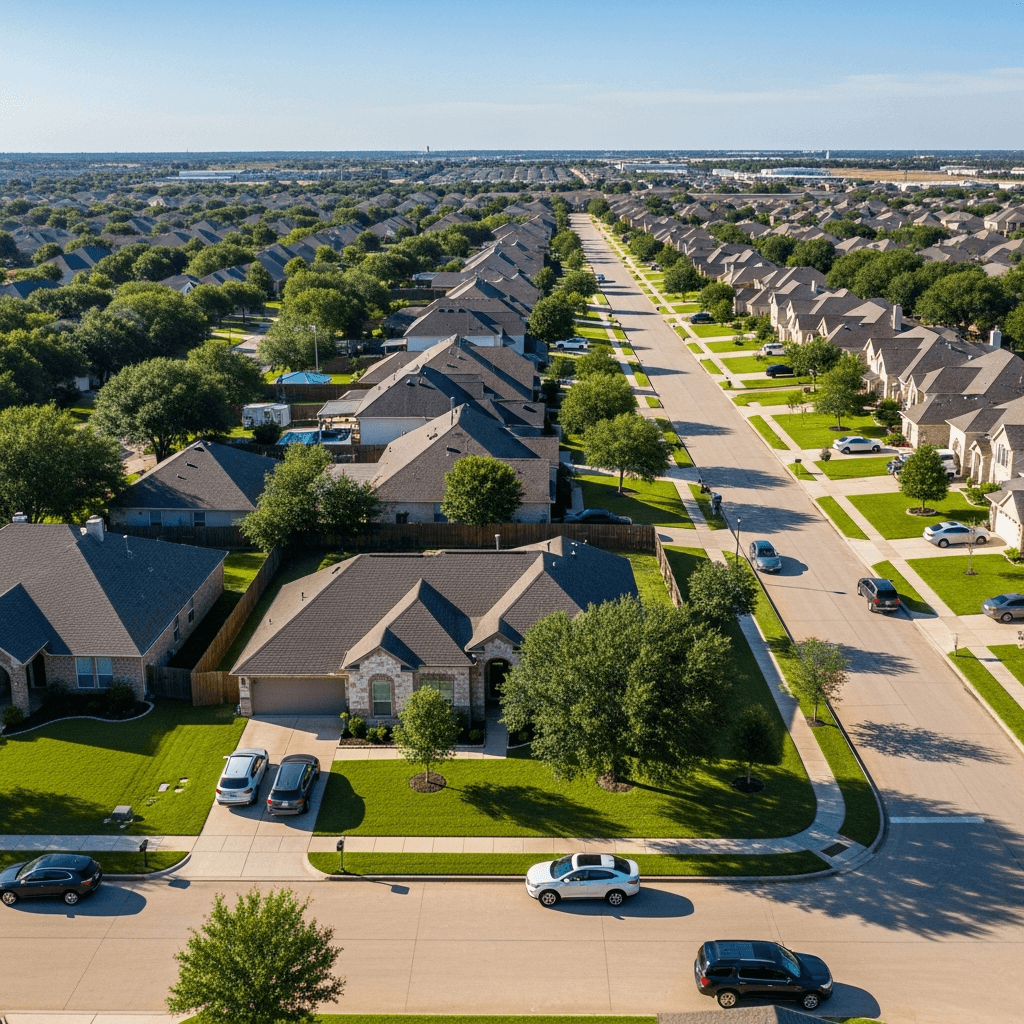
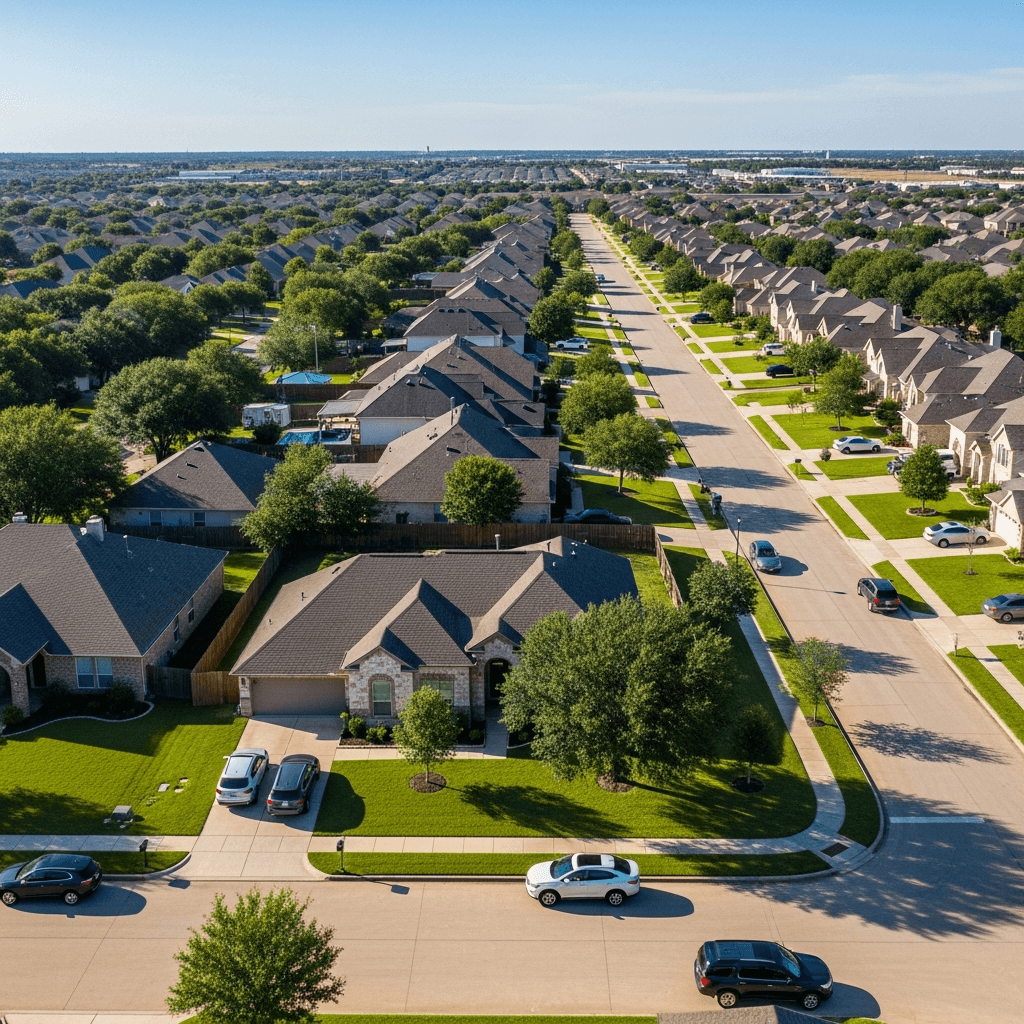
Every year, millions of Texas property owners open their appraisal notice and feel the same sinking feeling: the number is higher than expected. If your assessed value does not match reality, you are not just dealing with an abstract problem on paper. You are paying more in property taxes than you should be, and that overpayment compounds year after year.
The good news? Texas law gives you the right to challenge your property's appraised value. Under Chapter 41 of the Texas Property Tax Code, every property owner can file a protest with their county appraisal review board. But first, you need to know whether your property is actually over-appraised. Here are the signs to watch for.
1. Your Assessed Value Jumped Significantly in One Year
A sudden spike in your property's appraised value is one of the most common red flags. While Texas property values do appreciate over time, a dramatic year-over-year increase often signals that the appraisal district applied broad market adjustments rather than evaluating your specific property.
Under the Texas Property Tax Code Section 23.01, your property must be appraised at its market value as of January 1 of the tax year. If your value increased by 15%, 20%, or more, it is worth investigating whether the district used accurate comparable data or simply applied a blanket percentage increase across your neighborhood.
Homestead Cap Protection
If you have a homestead exemption, Texas law caps your assessed value increase at 10% per year (Tax Code Section 23.23). However, the appraised (market) value can still increase without limit. The cap applies only to the taxable assessed value, not the appraisal district's opinion of market value.
2. Similar Homes in Your Area Sold for Less Than Your Appraised Value
Comparable sales are the backbone of any property tax protest. If homes similar to yours in size, age, condition, and location recently sold for less than your appraised value, that is strong evidence of over-appraisal. Pay attention to actual closing prices, not listing prices. The appraisal district is supposed to reflect what your property would sell for on the open market, not what a seller hopes to get.
3. Your Property Has Physical Issues the Appraisal District Has Not Accounted For
Foundation problems, roof damage, outdated plumbing or electrical systems, flood history, or significant deferred maintenance all reduce a property's market value. Appraisal districts rely on mass appraisal models that typically assume properties are in average condition. If your home has issues that a buyer would negotiate down on, your assessed value may be too high. Documenting these conditions with photographs, repair estimates, or inspection reports creates compelling protest evidence.
4. The Appraisal District Has Incorrect Property Details
Errors in your property record are more common than you might think. Check your county appraisal district's records for mistakes in square footage, lot size, number of bedrooms or bathrooms, year built, construction quality grade, or whether improvements like pools or garages are accurately recorded. An extra 200 square feet or an incorrectly listed fourth bedroom can inflate your value by thousands of dollars. You can view your property record on your county appraisal district's website.
5. Your Neighbors with Similar Homes Are Assessed for Less
Texas law provides two grounds for a property tax protest. The first is that your property's appraised value exceeds its market value. The second is unequal appraisal, which means your property is assessed at a higher percentage of its market value than comparable properties in the same area.
Under Tax Code Section 41.43(b)(3), if you can demonstrate that your property is appraised unequally compared to similar properties, the appraisal review board must reduce your value to bring it in line. This is a powerful and often overlooked basis for protest that does not require proving your property is worth less than the appraised value.
6. You Recently Purchased Your Home for Less Than the Appraised Value
If you bought your home within the last year or two and the purchase price was less than the current appraised value, you likely have a strong case for reduction. An arm's length transaction between a willing buyer and a willing seller is one of the best indicators of true market value. Appraisal districts may still push back, arguing your deal was below market, but a legitimate sale provides solid evidence.
7. Market Conditions in Your Area Have Softened
Appraisal districts set values based on market conditions as of January 1. But real estate markets are dynamic. If your neighborhood has seen rising inventory, longer days on market, price reductions, or fewer sales in recent months, the district's January 1 snapshot may not reflect where the market was actually heading. Pay attention to local market trends, not just state or national headlines.
What You Can Do About It
If any of these signs apply to your property, you have the legal right to protest. Here is how the process works in Texas:
- File a Notice of Protest with your county appraisal district by May 15 or 30 days after your appraisal notice is mailed, whichever is later (Tax Code Section 41.44).
- Gather your evidence, including comparable sales, property condition documentation, and unequal appraisal data.
- Attend the informal hearing where you or your representative negotiate directly with the appraisal district.
- If no agreement is reached, your case proceeds to a formal hearing before the Appraisal Review Board (ARB).
- Further appeals are available through binding arbitration (for properties under $5 million) or district court (Tax Code Chapter 42).
Why Professional Representation Matters
Property tax protests can feel intimidating, especially if you have never been through the process. The appraisal district has trained appraisers and attorneys who do this every day. Having an experienced property tax consultant on your side levels the playing field.
At The Woodlands Property Tax Group, we handle every step of the protest process on your behalf. We compile the evidence, file the paperwork, attend the hearings, and negotiate with the appraisal district so you do not have to. And because our fees are contingency-based, you only pay if we successfully reduce your assessed value.
Think Your Property Is Over-Appraised?
Request a free, no-obligation review of your property's assessed value. We will analyze your assessment and let you know if a protest is likely to result in savings.